
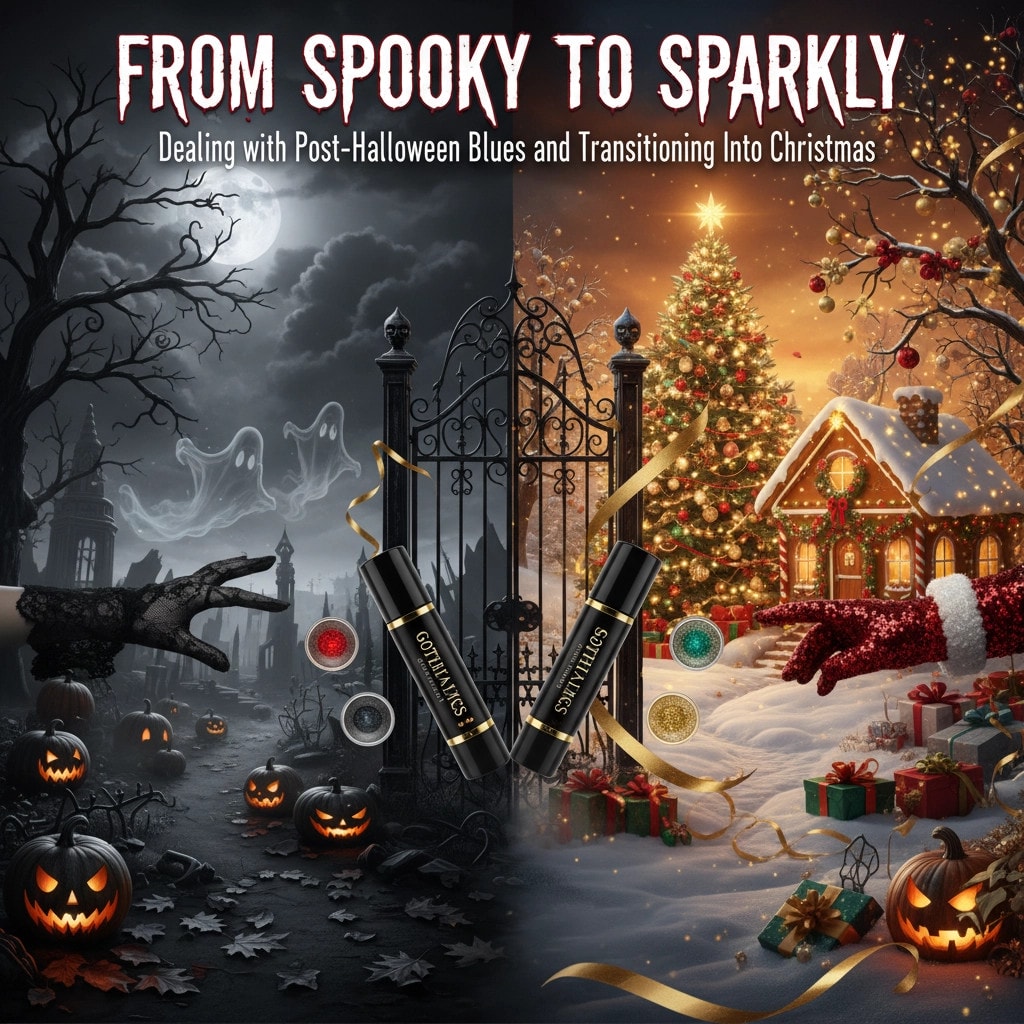
From Spooky to Sparkly: Dealing with Post-Halloween Blues and Transitioning Into Christmas
November 1st hits different, doesn't it? One day you're living your best gothic life, surrounded by cobwebs, carved pumpkins, and that perfect spooky ambiance you spent weeks creating. The next day? The stores are blasting "Jingle Bells" and everything's suddenly red and green. If you're feeling a little lost in this jarring transition from skulls to Santa, you're definitely not alone.
That weird emptiness you feel after Halloween ends is totally real, and it's got a name. Post-Halloween blues are a genuine psychological phenomenon that affects countless people who live for the spookiest time of year. Let's dig into why this happens and, more importantly, how to navigate the often brutal shift from October's dark magic to December's twinkling lights.
Why Your Brain Crashes After Halloween
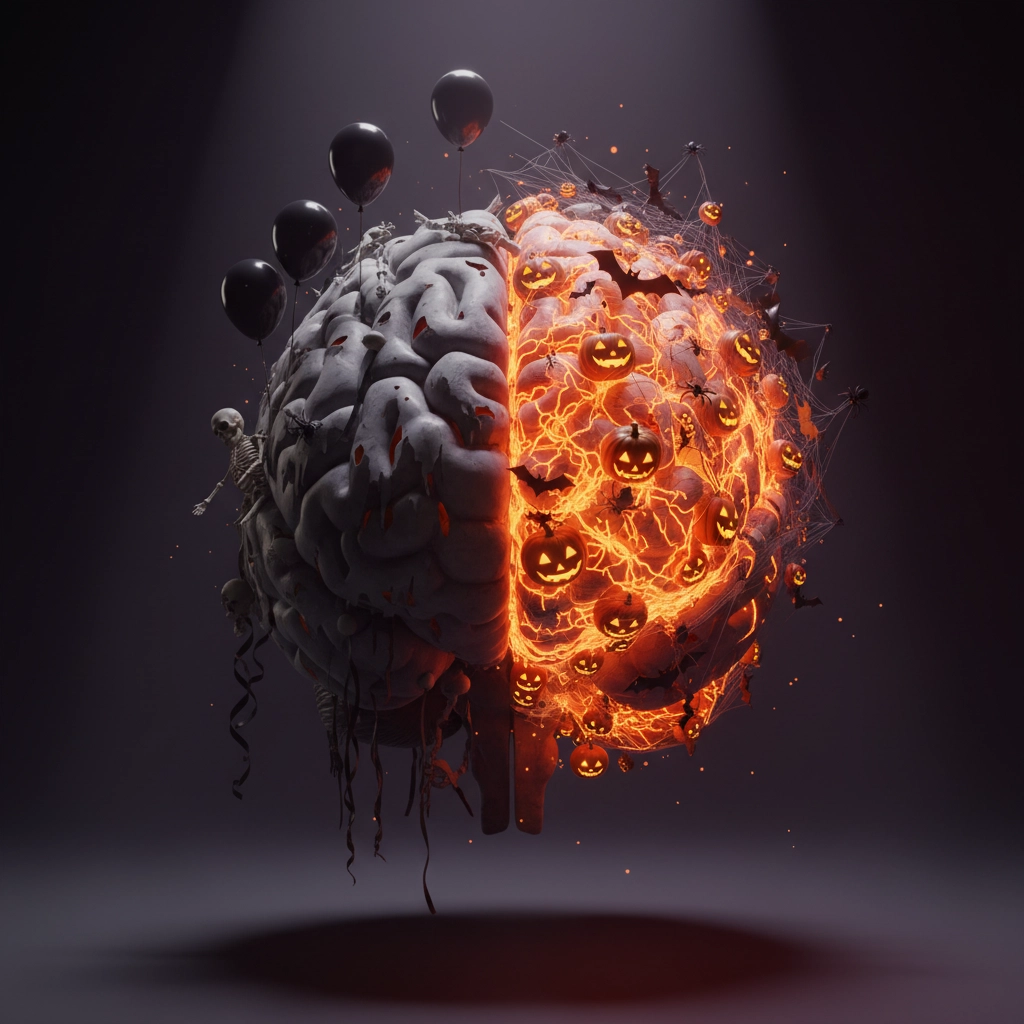
The science behind post-Halloween blues is actually pretty fascinating. When you spend weeks building up to Halloween, planning costumes, decorating, attending parties, watching horror movies, your brain gets flooded with anticipation and excitement. You're basically running on a cocktail of adrenaline and dopamine for weeks.
Then November 1st rolls around, and poof, it's over. Your brain suddenly has to deal with adrenaline comedown, which feels a lot like withdrawal. That high-energy, creative, slightly chaotic state you've been living in just… stops. No wonder you feel deflated.
There's also something psychologists call the "contrast effect" happening here. Your brain becomes so accustomed to the heightened excitement and novelty of Halloween season that regular life feels incredibly dull by comparison. It's like your mind tricks you into thinking normal life is worse than it actually is, simply because it's so different from the spooky high you've been riding.
The Cultural Whiplash is Real
What makes post-Halloween blues even worse is the cultural expectation to immediately pivot to Christmas mode. Stores rip down their Halloween displays on November 1st and replace them with holiday cheer faster than you can say "premature Christmas music." Society basically tells you to pack away your dark aesthetic and embrace sparkles and holly.
For those of us who thrive in Halloween's gothic atmosphere, this transition can feel jarring, even offensive. Why should we have to completely abandon what brings us joy just because the calendar flipped? The truth is, you don't have to make this transition overnight, and you certainly don't have to abandon your spooky spirit entirely.
Keeping Your Dark Side Alive Through the Holidays
Here's the thing about loving Halloween: it's not just about one night in October. It's about embracing mystery, celebrating the macabre, and finding beauty in the darker things in life. These interests don't have to hibernate until next October rolls around.
Consider keeping some Halloween decorations up longer than "socially acceptable." Who says you can't have a few ravens perched around your Christmas tree? Your home should reflect what makes you happy, not what Target's seasonal department dictates.
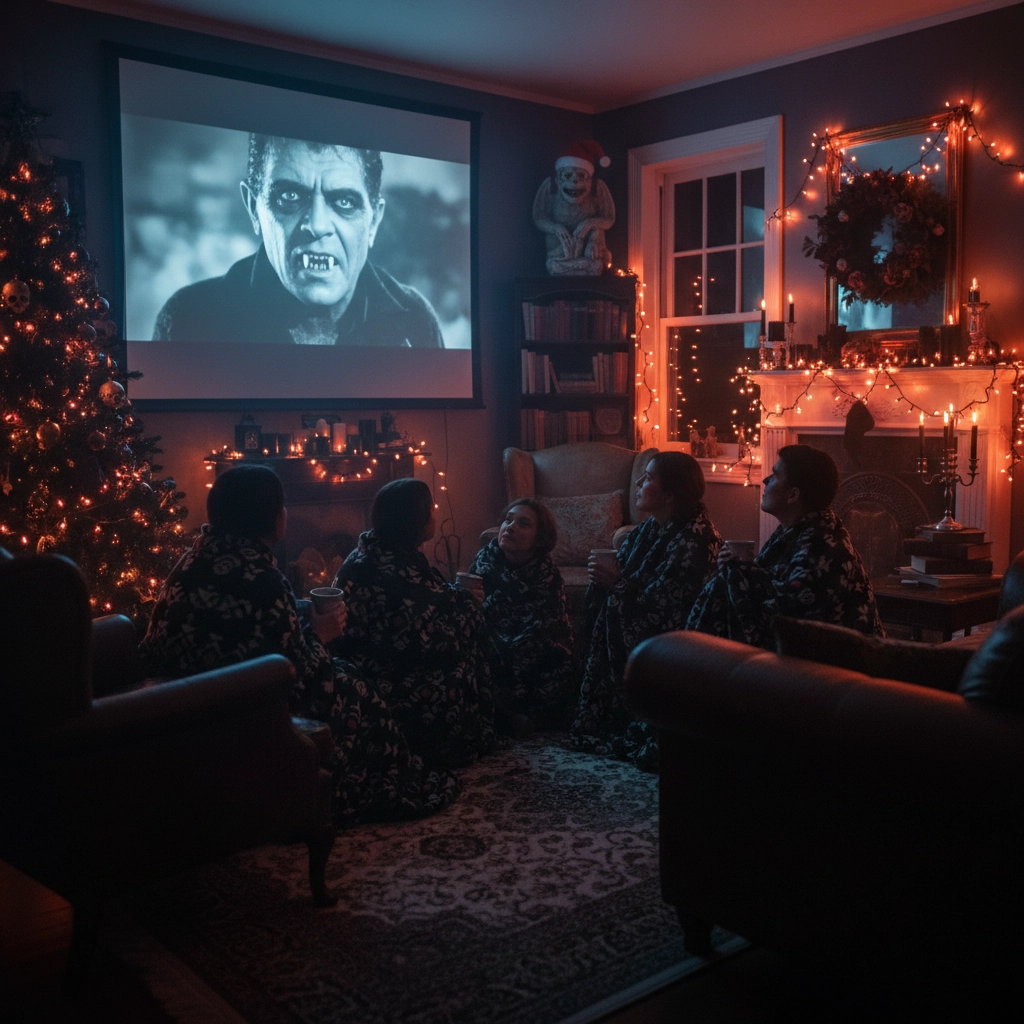
Create your own spooky traditions that extend beyond October. Host horror movie marathons throughout November and December. Plan gothic tea parties. Continue exploring creepy podcasts, dark literature, or mysterious documentaries. Your interests didn't disappear on November 1st, don't let society tell you they should.
Blending Spooky with Sparkly: The Best of Both Worlds
One of the most creative ways to ease the transition is by finding the gothic elements already present in Christmas traditions. When you think about it, Christmas has plenty of dark, mysterious aspects that mesh beautifully with Halloween vibes.
Consider the ghost stories that were traditionally told during Christmas season (hello, Charles Dickens). Embrace the darker winter folklore: stories of Krampus, winter spirits, and ancient solstice traditions that predate modern Christmas. These elements let you maintain your spooky interests while participating in holiday traditions.
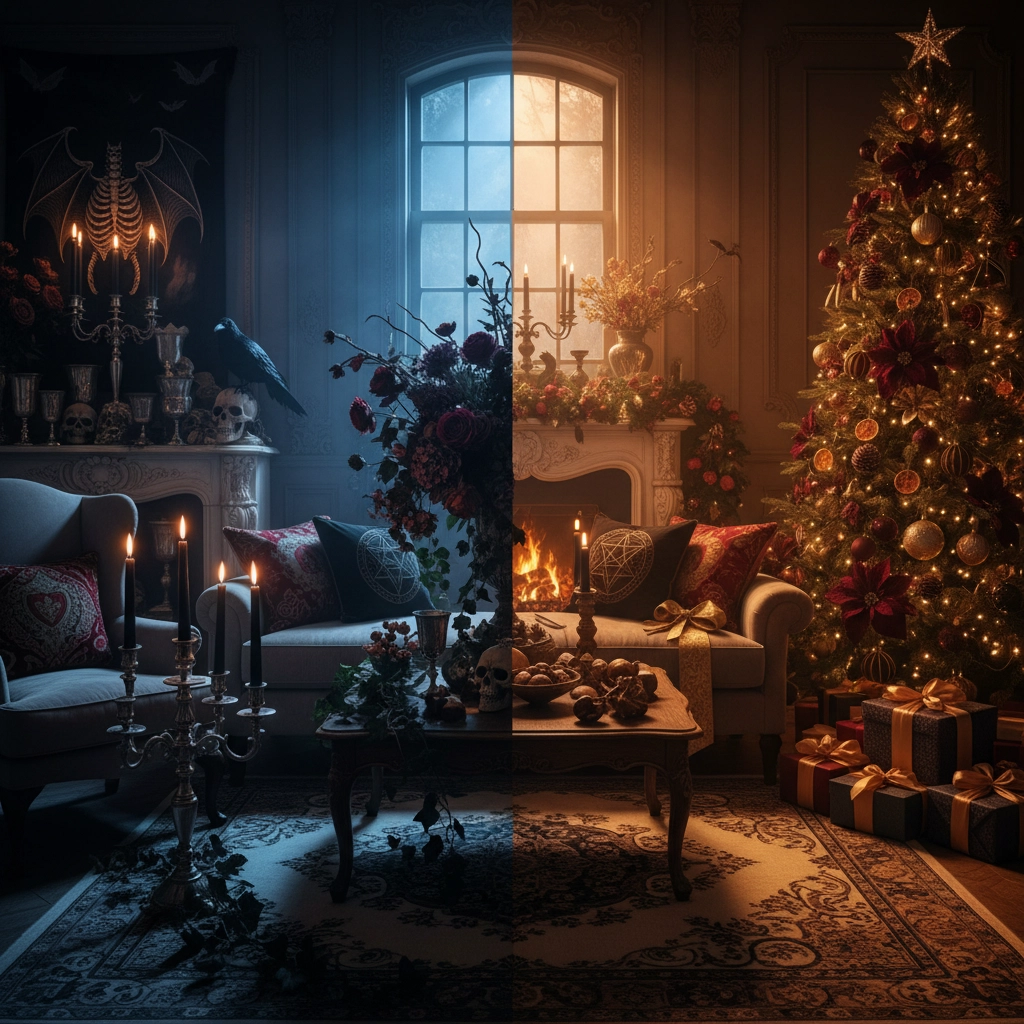
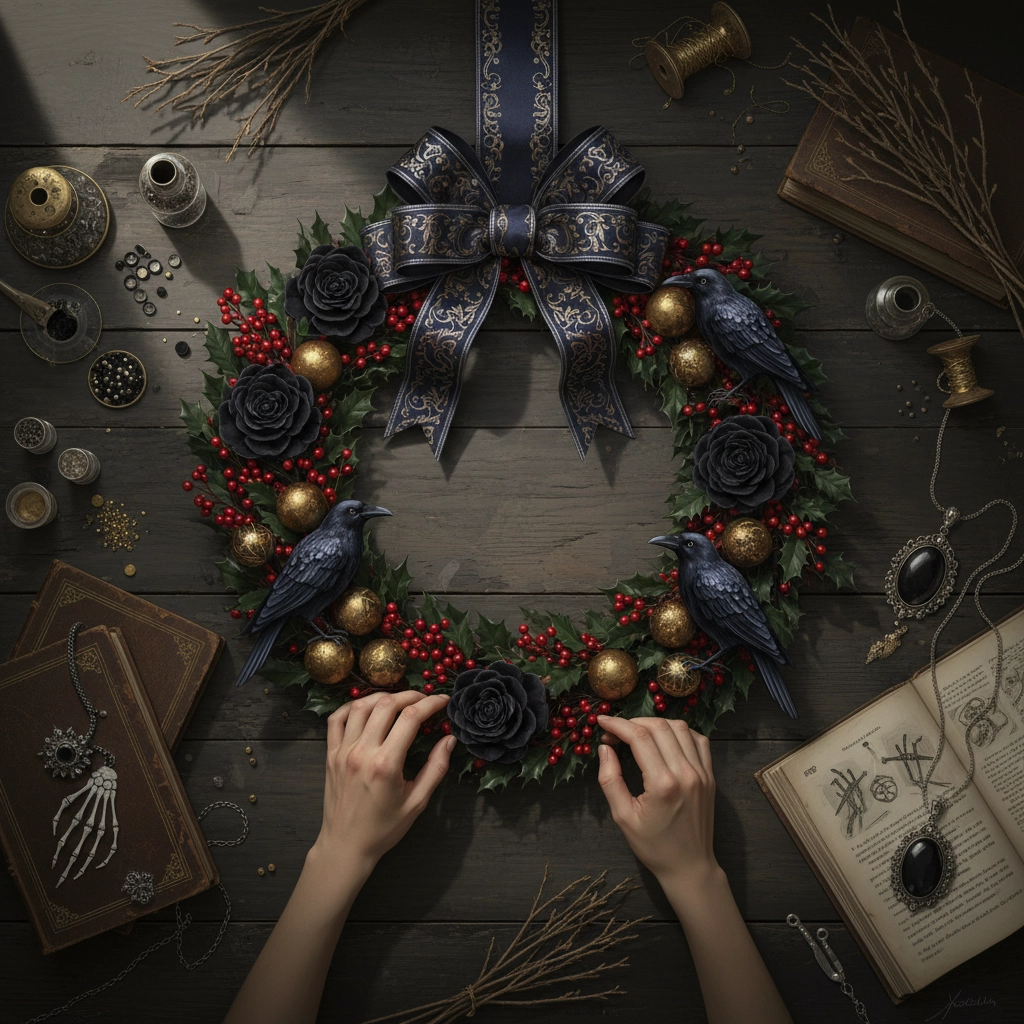
Your decorating can reflect this blend too. Think deep burgundy and gold instead of bright red and green. Incorporate ravens, dark florals, or vintage gothic elements into your holiday décor. Candles, dried flowers, and rich textures can create a Christmas atmosphere that still honors your darker aesthetic preferences.
For gift-giving, focus on presents that celebrate your recipients' interests in mystery, horror, or the macabre. Gothic jewelry, vintage books, dark artwork, or experiences like ghost tours make excellent presents that keep the spooky spirit alive.
Practical Strategies for Emotional Transition
While keeping Halloween alive year-round helps, you also need strategies for managing the emotional aspects of this seasonal shift. Start by acknowledging that your feelings are valid. Missing Halloween doesn't make you weird or immature: it means you found something that genuinely brought you joy, and losing that naturally feels disappointing.
Give yourself permission to grieve the end of spooky season. Don't rush to pack everything away immediately. Take a few days to appreciate your decorations, look through photos from the season, or write about your favorite Halloween memories. This helps create closure rather than an abrupt ending.
Plan something to look forward to in the coming weeks. Maybe it's a horror movie marathon, a gothic book club meeting, or planning next year's Halloween costume. Having future spooky events on your calendar helps your brain maintain that sense of anticipation that made Halloween special.
Creating New Holiday Traditions
The beauty of adulthood is that you get to decide what your holidays look like. If traditional Christmas doesn't resonate with you, create traditions that do. Host a "Gothic Christmas" party where guests bring dark desserts and exchange horror books. Plan winter solstice celebrations that honor the season's darkness rather than fighting it.
Consider celebrating alternative holidays that align more with your interests. Día de los Muertos extends into November, offering another opportunity to celebrate the macabre. Winter solstice celebrations focus on the beauty of darkness and the natural cycles that Halloween enthusiasts often appreciate.
You might also explore Christmas traditions from different cultures that have darker or more mysterious elements. Learning about these can add depth to your holiday experience while honoring your preference for the unconventional.
The Power of Community
Connect with others who share your post-Halloween blues. Social media groups, local meetups, or online forums can provide community with people who understand your seasonal sadness. Sometimes just knowing you're not alone in missing Halloween makes the transition easier.
Consider joining year-round horror or gothic communities. Book clubs focusing on dark literature, movie groups that watch horror films monthly, or crafting circles that create spooky art can provide ongoing outlets for your interests.
Reframing the Season
Instead of viewing November and December as months to endure until Halloween returns, try reframing them as an opportunity for deeper exploration of your interests. Use this time to dive into the history of Halloween traditions, research folklore and mythology, or develop skills you can use for next year's celebrations.
This is also the perfect time for introspection: something that aligns well with the darker aesthetic many Halloween lovers appreciate. The longer nights and colder weather create natural opportunities for reflection, reading, and indoor creative projects.
Looking Forward While Honoring the Present
Remember that post-Halloween blues are temporary. Like all emotional states, this feeling will pass. While you're experiencing it, be gentle with yourself. Maintain your physical health, stay connected with friends, and don't feel pressure to immediately embrace full Christmas cheer if you're not ready.
The goal isn't to completely avoid sadness about Halloween ending: that sadness is actually a testament to how much joy the season brought you. Instead, the goal is to find ways to carry forward the elements of Halloween that truly matter to you while remaining open to the unique pleasures that winter holidays can offer.
Your love of Halloween doesn't have to be seasonal. The creativity, community, self-expression, and celebration of the unconventional that define Halloween can be year-round lifestyle choices. Let the end of October be a transition, not an ending, of the things that bring magic to your life.